Upgrade Your Backyard: A Comprehensive Guide to Breathtaking Pool Renovation Ideas
Converting a backyard into a gorgeous sanctuary requires meticulous design and planning. A pool transformation can improve both appearance and performance. By evaluating existing features and incorporating modern design ideas, homeowners can develop a environment that suits their lifestyle. However, the undertaking requires more than just choosing tiles and water features. Knowing the key phases and common challenges is vital for a complete renovation. Which key choices need to be considered to achieve the desired outcome?
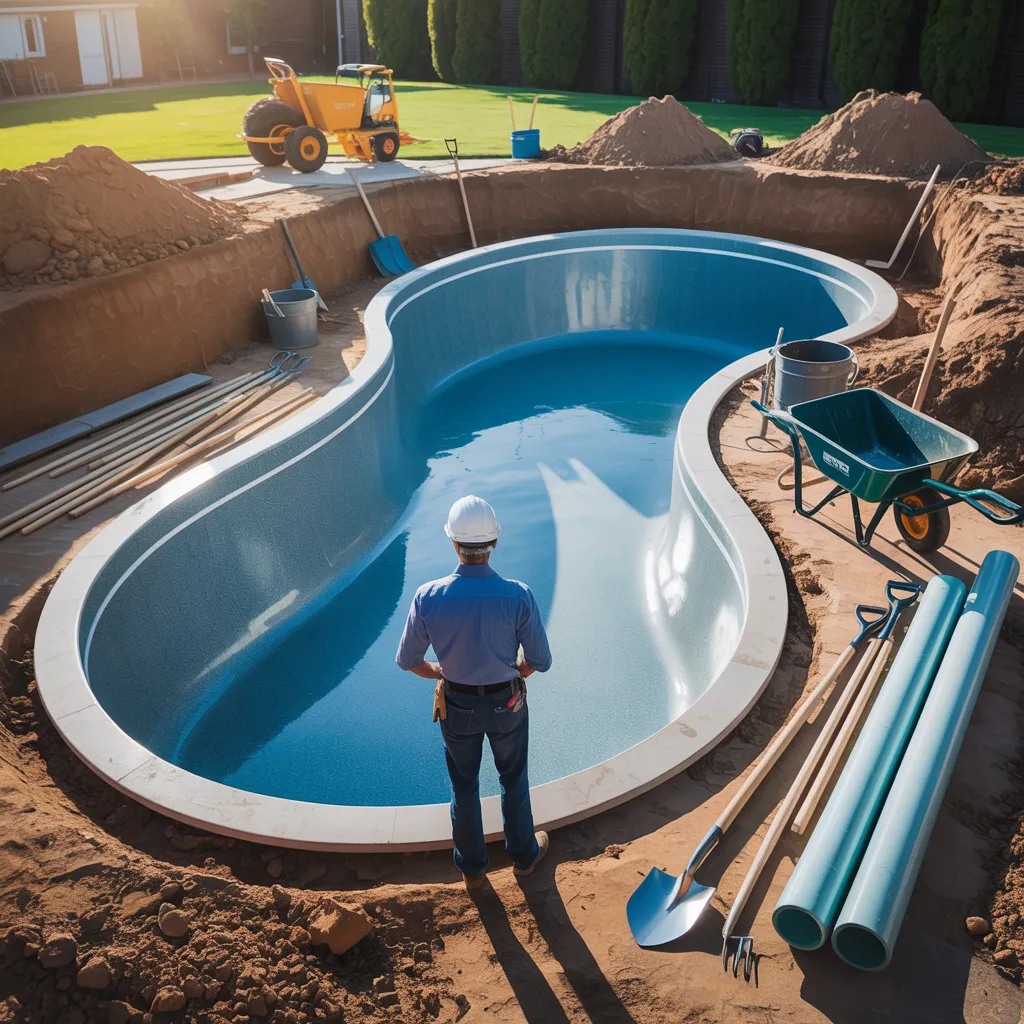
Essential Steps for a Successful Pool Remodel
A successful pool remodel requires careful planning and execution. The initial step involves establishing a well-defined budget, which assists in outlining the extent of the work and informs key decisions. Next, homeowners should assess their present pool and adjacent landscape to pinpoint areas that require enhancement. This assessment frequently results in the development of a design plan that aligns with personal preferences and lifestyle needs.
Working with a qualified contractor is crucial, as their experience can streamline the remodeling process and secure compliance with local codes and standards. Obtaining required permits is an important consideration that must not be ignored. In addition, identifying the right building materials and surface treatments will profoundly influence the aesthetic appeal and overall longevity of the remodeling project.
Ultimately, setting a attainable timeline for wrapping up helps manage goals, ensuring that homeowners can appreciate their updated outdoor area without unnecessary setbacks. By means of meticulous carrying out of these steps, a comprehensive pool redesign can be achieved.
Choosing the Right Features for Your Pool
What is the best way to identify the ideal features to improve a pool's functionality and appeal? The process starts by assessing the intended use of the pool. For family use, protective elements such as non-slip surfaces and shallow areas are often given top consideration. For social gatherings, integrated seating, water slides, or swim-up bars can enhance the overall experience.
Next, attention should be given to visual components, such as landscape design and lighting, which can create a serene ambiance. Features like waterfalls or fountains not only boost aesthetic value but also add gentle and peaceful sounds.
Furthermore, practical features such as energy-efficient heating systems and automated cleaning solutions boost sustainability and convenience.
Ultimately, coordinating the preferred elements with one's personal way of living and the surrounding environment is essential. This careful strategy guarantees that the pool becomes a beloved focal point, integrating naturally with the backyard while fulfilling its intended function with ease.
Planning Your Pool Remodel Budget
Budgeting for a pool remodel requires careful consideration of several key factors. Property owners ought to start by establishing firm budget boundaries and prioritizing essential upgrades to maximize value. Moreover, investigating multiple financing alternatives can make it easier to complete the intended upgrades without financial burden.
Configuring Your Budget Limits
Establishing a budget for a pool remodel is critical for keeping the project financially on track. Property owners should start by reviewing their existing financial circumstances and identifying how much they can realistically dedicate to the remodel. It is wise to consider not only direct expenses, like materials and labor, but also indirect costs, including permits and potential landscaping modifications. Investigating typical costs in the local market can offer useful guidance and assist in setting realistic expectations. Additionally, homeowners should consider setting aside a contingency fund for unexpected expenses that may arise during the renovation. By setting clear budget limits, individuals can effectively manage their resources while still achieving their desired pool transformation.
Focusing on Key Upgrades
During the planning of a pool remodel , homeowners should prioritize essential upgrades to ensure the most effective modifications fit within their budget. Essential components such as resurfacing the pool interior, modernizing the filtration system, and improving safety features should be prioritized. Resurfacing not only improves aesthetics but also extends the pool's lifespan. An updated filtration system ensures water clarity, lowering upkeep expenses over time. Additionally, incorporating safety measures, such as non-slip surfaces and proper fencing, is vital for family safety. Homeowners ought to review their present setup and determine areas demanding prompt attention, helping them to manage their budget efficiently. By concentrating on these critical improvements, they can develop an attractive and practical pool area without exceeding their budget.
Reviewing Financing Options
What are the best ways for homeowners to fund their pool renovation while remaining on budget? First, they should create a detailed budget that outlines all potential costs, including materials, labor, and unexpected expenses. Additionally, considering financing solutions like personal loans, home equity lines of credit, or dedicated pool financing programs can supply the required capital. Moreover, certain contractors provide flexible financing arrangements that make monthly payments more affordable. Homeowners could also explore saving strategies by consistently setting aside part of their earnings over a period of time. Lastly, looking into available grants or incentives for energy-efficient improvements can help reduce the overall financial burden. By thoroughly reviewing these possibilities, homeowners can reach sound decisions that match their financial means while bringing get the full story their dream pool to life.
Latest Design Trends for Pool Remodeling
Current design trends in pool remodeling emphasize modern minimalist aesthetics, centered on clean lines and understated elegance. Additionally, eco-friendly features are gaining popularity, advancing green practices while improving the overall enjoyment. Advanced technology integration likewise holds an important place, offering homeowners innovative solutions for convenience and energy efficiency.
Sleek Minimalist Style
As homeowners look to establish tranquil outdoor retreats, contemporary minimalist designs have become a dominant trend in pool redesign. This method highlights elegance and purpose, focusing on clean lines and open spaces that encourage an atmosphere of peace. Pools built around minimalist concepts often feature geometric shapes and neutral color palettes, allowing them to blend seamlessly into their surroundings. Materials such as natural stone, concrete, and glass are preferred for their sleek appearance and durability. Incorporating subtle landscaping elements, like low-maintenance greenery, enhances the overall design without overwhelming the space. By valuing excellence over excess, sleek minimalist pool concepts cultivate an appealing ambiance that encourages relaxation and enjoyment, rendering them a favored option for modern homeowners.
Green Pool Features
With an increasing emphasis on sustainability, green pool features are rising as a significant trend in outdoor renovation. Such features combine ecological responsibility with improved visual appeal. Natural filtration systems, for example, utilize plants and gravel to maintain water clarity, reducing reliance on chemicals. Furthermore, solar heating panels are becoming increasingly popular, allowing pool owners to harness renewable energy for temperature regulation. Using recycled materials in pool building, including reclaimed stone or glass tiles, additionally advances green initiatives. Furthermore, energy-efficient pumps and LED lighting not only lower energy consumption but also minimize the carbon footprint. At their core, these cutting-edge designs embody a devotion to sustainability, delivering an attractive and environmentally responsible choice for today's pool owners.
Smart Technology Integration
More and more, homeowners are adopting smart technology integration in their pool remodeling projects. This trend enhances convenience and efficiency, allowing for smooth operation of a range of pool operations. Intelligent thermostats work to preserve ideal water temperatures, while smart lighting systems establish atmosphere and enhance security during evening hours. In addition, sophisticated filtration units featuring built-in sensors monitor water quality, maintaining a crystal-clear aquatic environment with little hands-on maintenance required.
Remote connectivity through smartphones or tablets empowers users to adjust settings, receive notifications, and even activate features like heating or cleaning while away from home. Additionally, compatibility with home automation systems facilitates seamless operation alongside other smart devices, enhancing the complete outdoor experience. In summary, smart technology is converting pools into elegant, effortless sanctuaries.
Incorporating Landscaping With Your Pool
Incorporating landscaping with a pool can transform an ordinary backyard into a serene oasis, enhancing both aesthetic appeal and functionality. Carefully planned landscaping complements the pool's design, producing a unified appearance. Indigenous plants, for example, demand minimal upkeep and flourish in regional climates, bringing color and dimension to the area surrounding the pool.
Strategically placed trees can provide shade, enhancing comfort while lounging while also improving privacy. Adding elements such as decorative rocks or stone pathways can draw attention and inspire exploration throughout the area.
Water elements, such as fountains or cascading waterfalls, not only enrich the auditory experience but also establish a peaceful atmosphere. Additionally, the use of outdoor lighting illuminates the pool and surrounding landscape, extending usability into the evening. Ultimately, blending landscaping with a pool not only elevates the overall visual impact but also increases the enjoyment and functionality of the backyard retreat.
Maintenance Considerations for Your Remodeled Pool
Caring for a renovated pool calls for close consideration of numerous elements to preserve its durability and visual charm. Regular cleaning is essential, as buildup can collect and impact both water quality and appearance. A regular plan for vacuuming, skimming, and scrubbing the pool surfaces helps prevent algae growth and sustains clean and clear conditions.
Water chemistry plays another vital role; testing pH, chlorine, and alkalinity levels weekly guarantees a safe swimming environment. Additionally, the filtration system should be monitored and cleaned regularly to ensure peak performance.
Seasonal maintenance, including winterizing in colder months, is crucial for protecting the pool structure and equipment. Inspecting tiles, coping, and surfaces for cracks or wear can prevent costly repairs later.
Additionally, pool area landscaping should be handled to limit debris accumulation and preserve drainage flow, making certain that the space remains safe and inviting for everyone who uses it. Proper maintenance not only improves the overall experience but also protects the investment made in a remodeled pool.
Questions We Often Receive
What Is the Typical Duration of a Pool Remodel?
An average pool remodeling project spans roughly two to six weeks, depending on the project's complexity, weather conditions, and contractor availability. Homeowners should anticipate potential delays for unexpected issues during the remodeling process.
Can I Remodel an Above-Ground Pool?
Certainly, remodeling an above-ground pool is possible. Homeowners often enhance aesthetics by incorporating decks, landscaping, or new liners, while structural improvements may encompass fortifying walls or changing the pool height. Thorough planning ensures a successful renovation.
What Permits Do You Need for Pool Remodeling?
When remodeling a pool, individuals generally require permits covering construction, plumbing, and electrical work. Municipal regulations differ, so consulting with the local construction authority is crucial to ensure conformity with all applicable codes.
What Is the Best Way to Choose a Dependable Contractor?
To find a trustworthy contractor, one ought to gather recommendations, review online feedback, validate credentials and insurance, interview multiple candidates, and obtain thorough written estimates. Trustworthiness and communication during initial interactions can further reflect their professional standards and trustworthiness.
What Types of Warranties Are Expected on Pool Renovations?
Homeowners should expect guarantees that cover equipment, structural integrity, and materials when renovating their pools. These warranties commonly range from one year to ten years, depending on the contractor and specific components involved in the remodeling project.